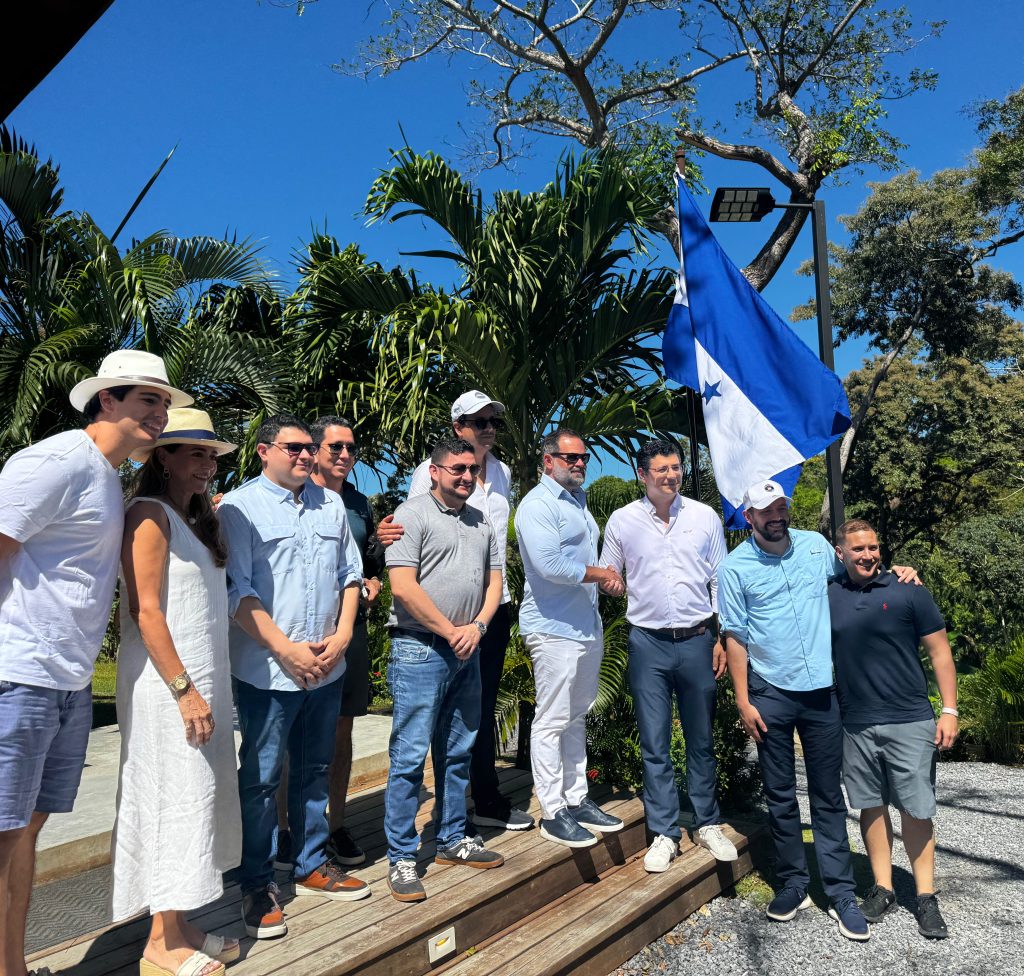
Florida Republican and House Armed Services and Foreign Affairs member receives firsthand look at Roatán’s autonomous zone
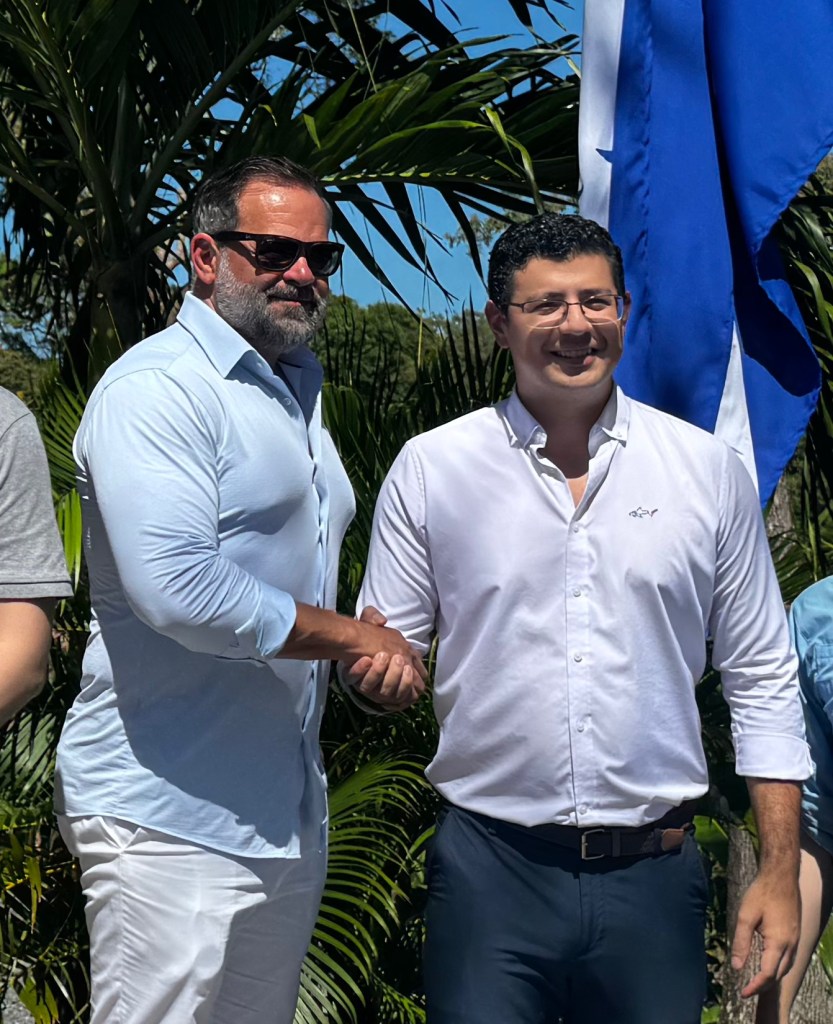
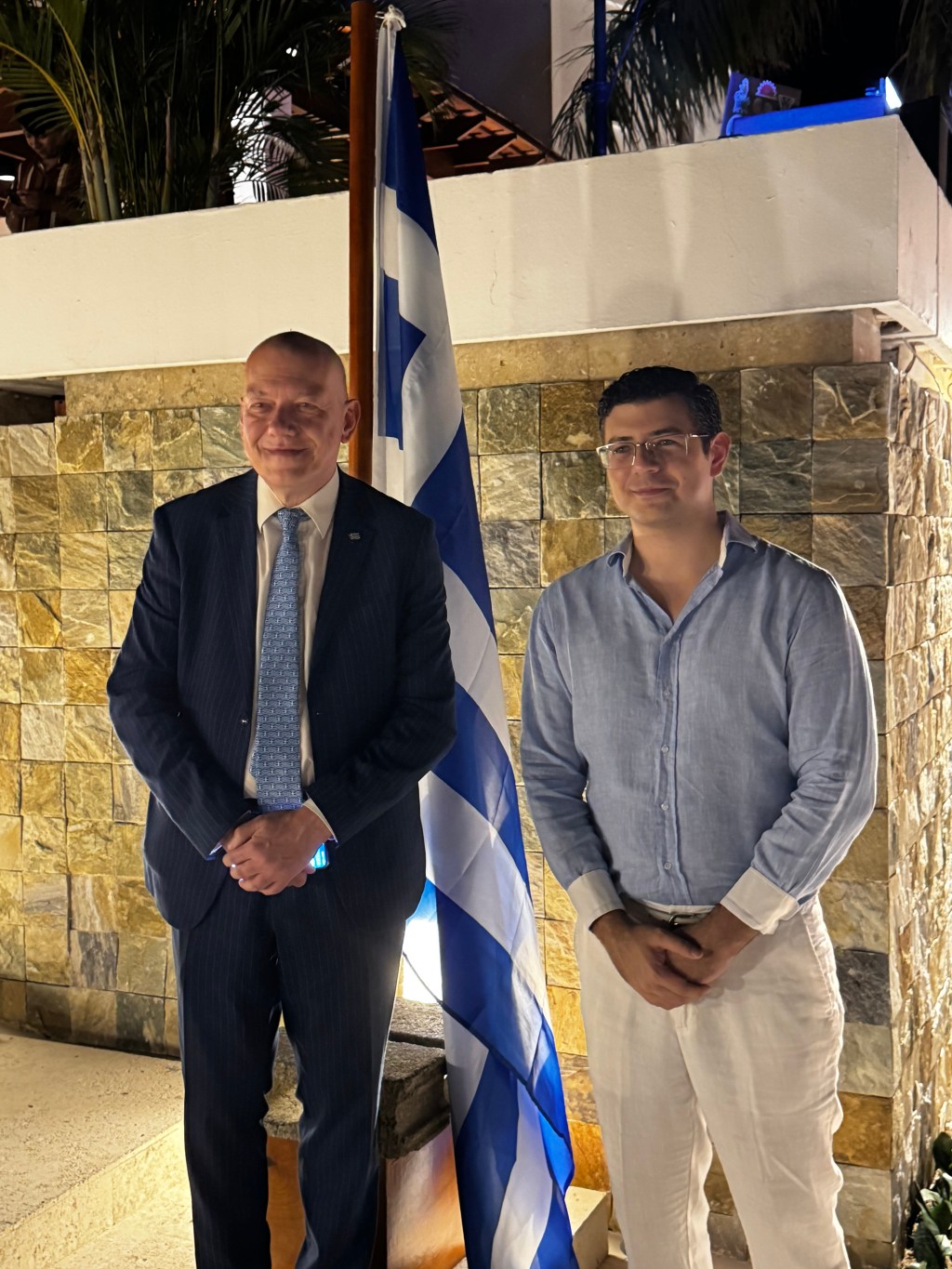
ROATÁN, BAY ISLANDS, HONDURAS — Congressman Cory Mills (R-FL-7) paid a visit to Próspera ZEDE this week, touring the autonomous zone’s principal developments and meeting with Technical Secretary Jorge Constantino Colindres in what marks a significant moment of direct U.S. congressional engagement with one of the Western Hemisphere’s most distinctive governance initiatives.
Mills, a two-term Republican representing Florida’s 7th Congressional District and a member of both the House Armed Services Committee and the House Foreign Affairs Committee, is among the most hawkish voices in Congress on matters of national security and U.S. strategic interests in the Western Hemisphere. His visit to Próspera comes at a pivotal moment in U.S.-Honduras relations, as the newly inaugurated Asfura administration has signaled a sharp pro-business, pro-investment posture and a clear desire to reinvigorate ties with Washington.
Who is Congressman Cory Mills
Born in Winter Haven, Florida, Mills served in the United States Army from 1999 to 2003 as a member of the 82nd Airborne Division, deploying to Iraq in 2003 and receiving the Bronze Star Medal. He subsequently built a career in defense contracting and international security before entering electoral politics, winning Florida’s 7th District in 2022 and earning reelection in 2024.
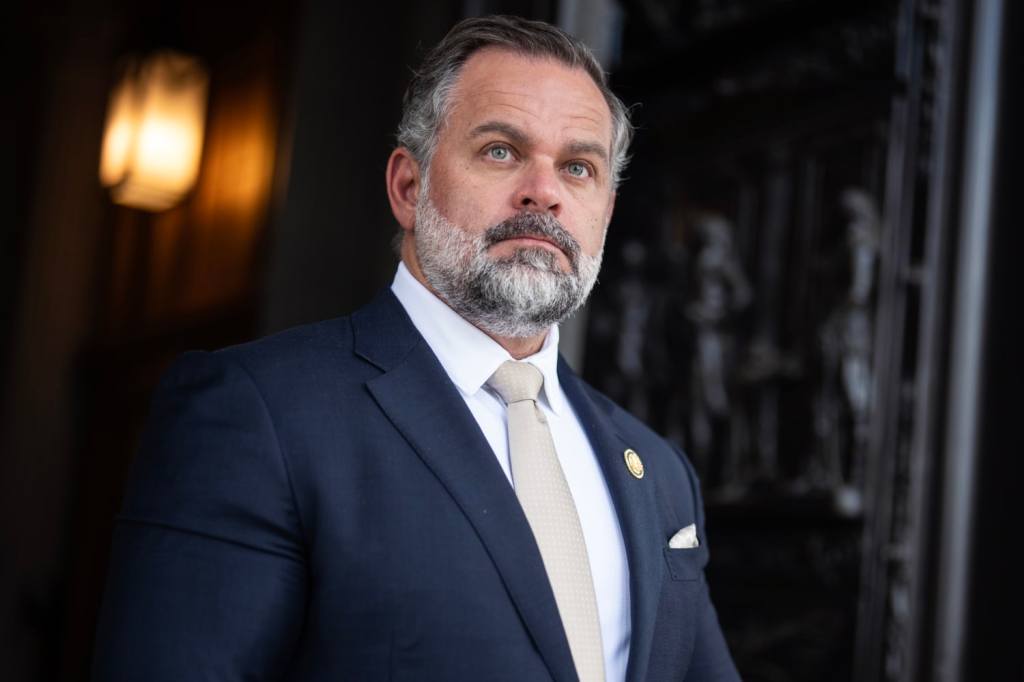
In the 119th Congress, Mills sits on the House Armed Services Committee, where he serves on the Intelligence and Special Operations, Military Personnel, and Readiness subcommittees, and on the House Foreign Affairs Committee, where he serves on the Oversight and Intelligence subcommittee. These assignments place him squarely at the intersection of U.S. military posture, intelligence oversight, and foreign policy engagement — including in Central America, a region that has drawn increasing attention from Congress as migration, investment, and security dynamics have intensified under the Trump administration.
Mills has been a consistent advocate for robust U.S. engagement in the Western Hemisphere rooted in investment, security cooperation, and the protection of American interests abroad. During a recent bilateral meeting with members of the Honduran National Congress, discussions centered on migration, foreign investment, and security — with Honduran legislators emerging from the encounter saying they had “recovered the relationship with our principal commercial partner” and that “good news is coming for Honduras.”
The Beta District, Pristine Bay, and the Waters of Roatán
The visit took Mills and his delegation through Próspera’s principal developments, beginning with Beta District — the zone’s commercial and institutional core, where its governance infrastructure, company registries, and professional services community are concentrated. The Beta District visit offered the Congressman a ground-level view of how Próspera’s common-law framework operates in practice: a jurisdiction where businesses can select their regulatory environment, disputes are resolved through transparent arbitration, and the ease of doing business rivals the world’s most competitive jurisdictions.
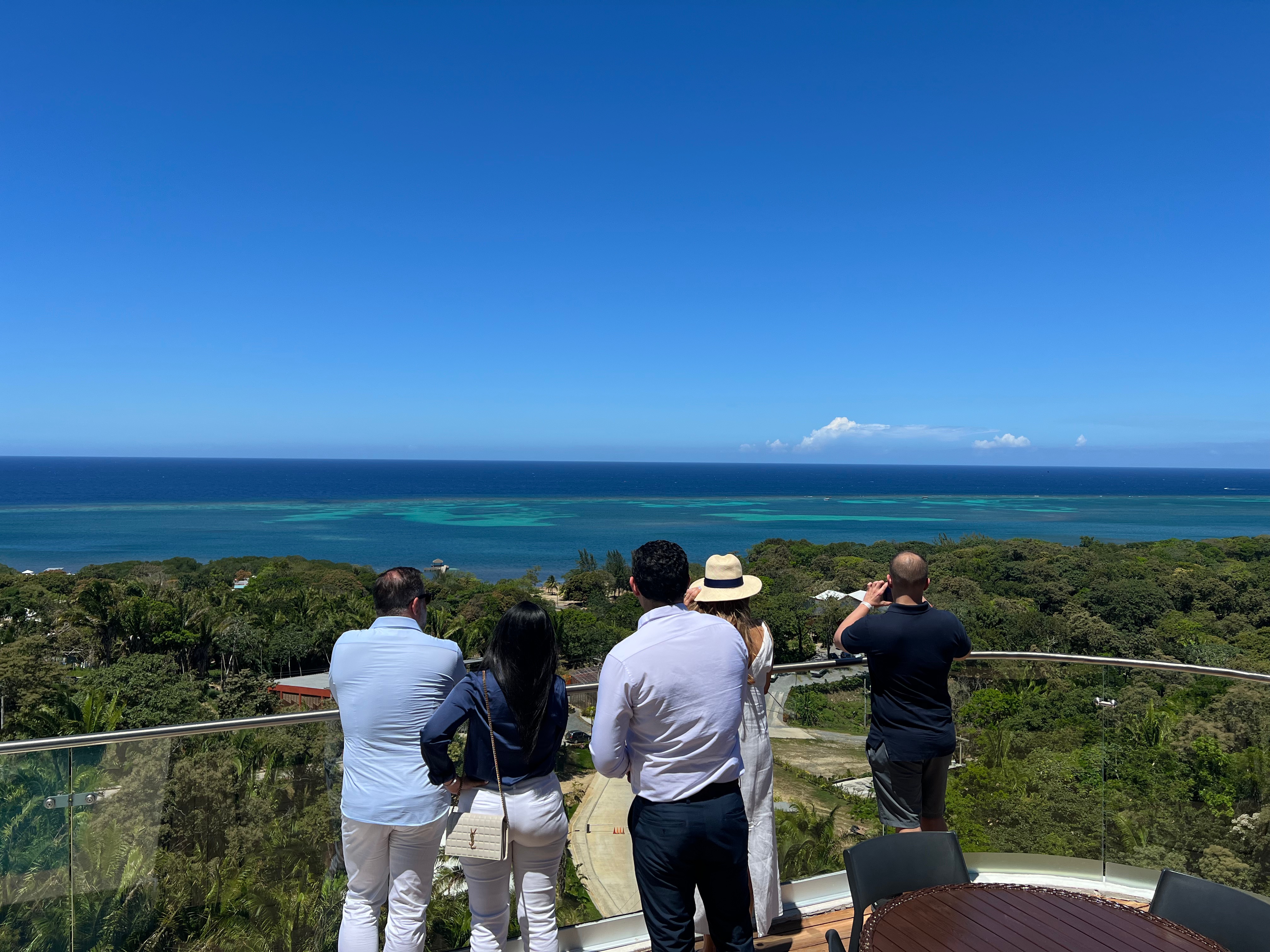
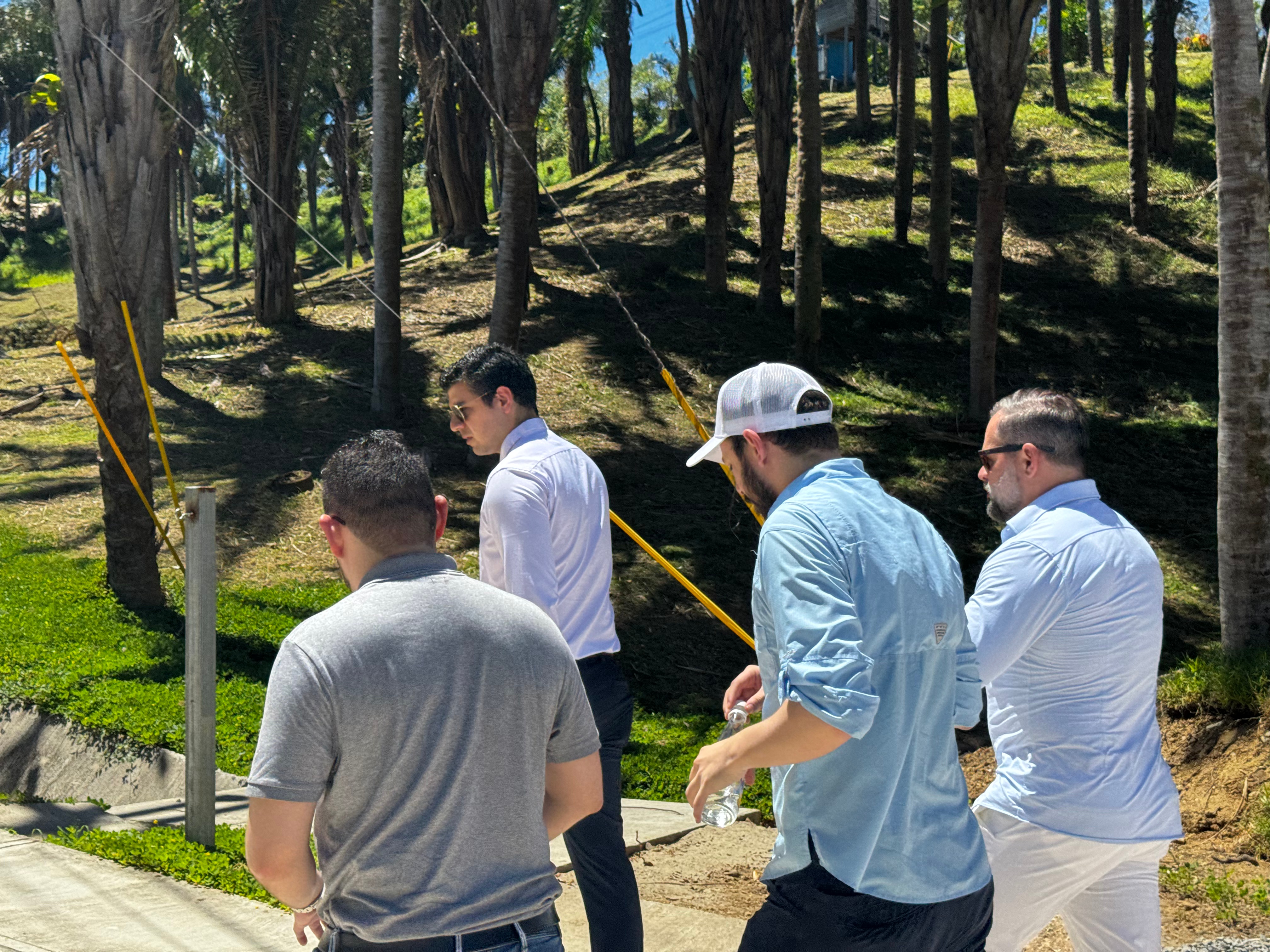
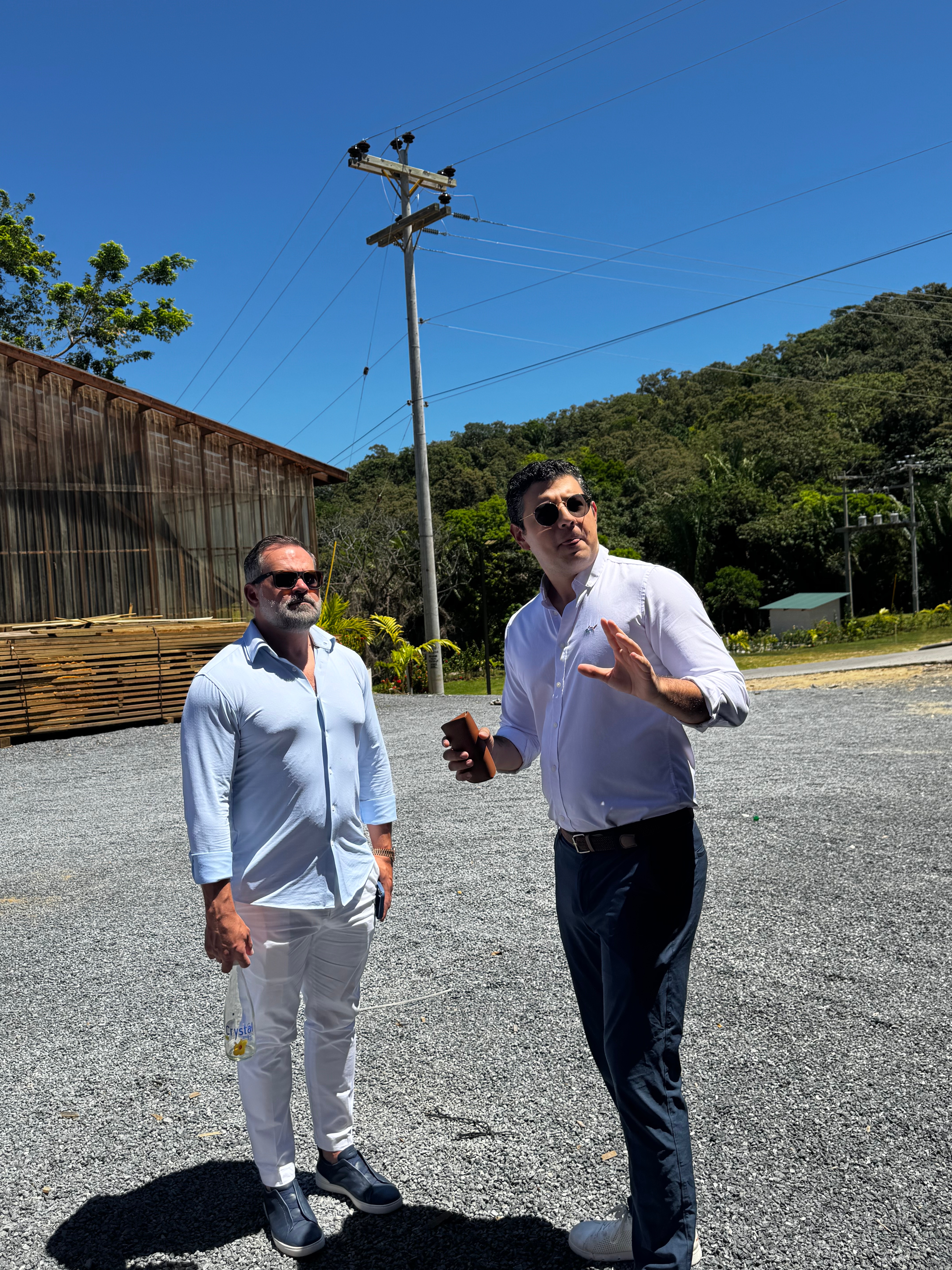
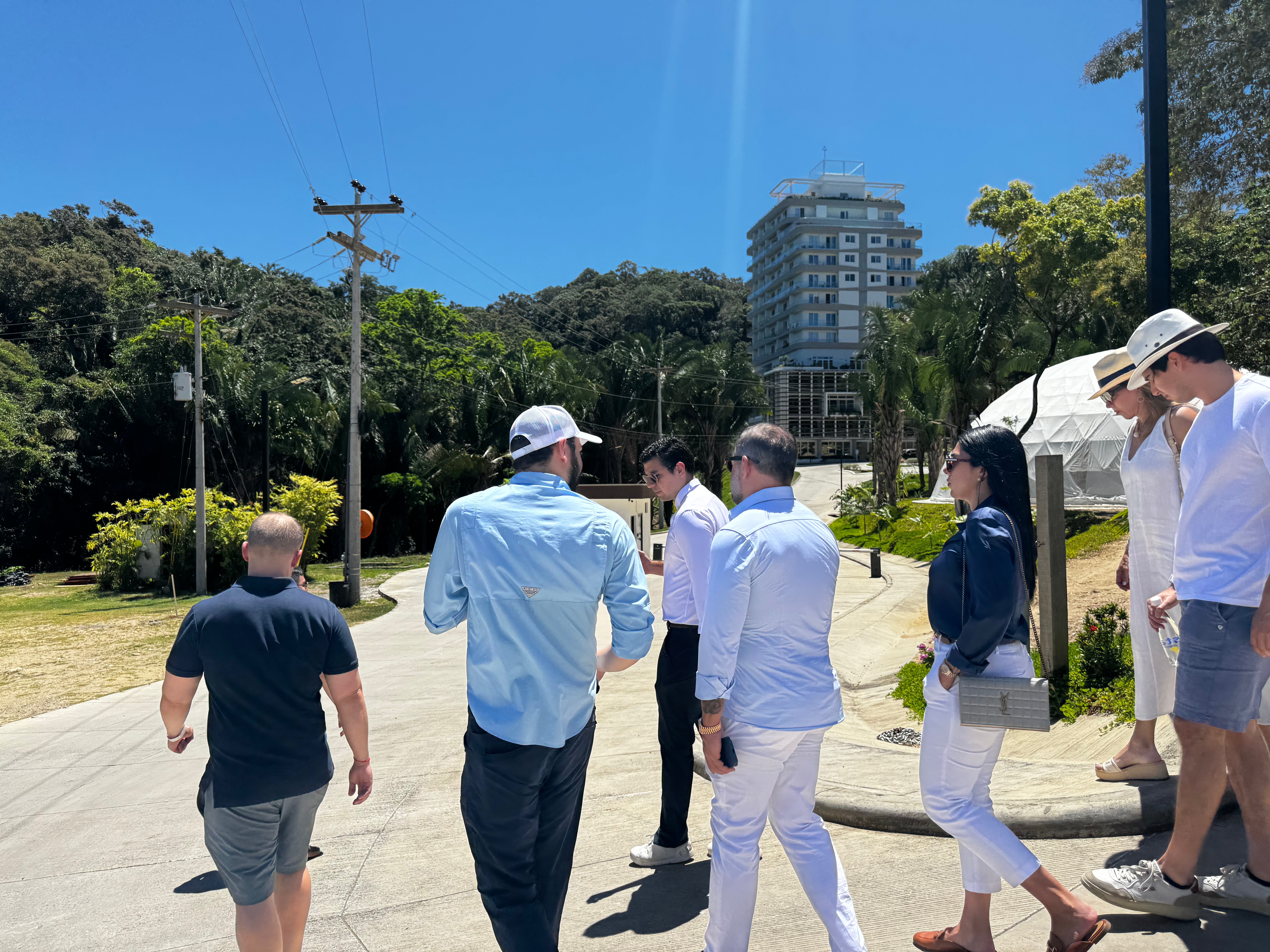
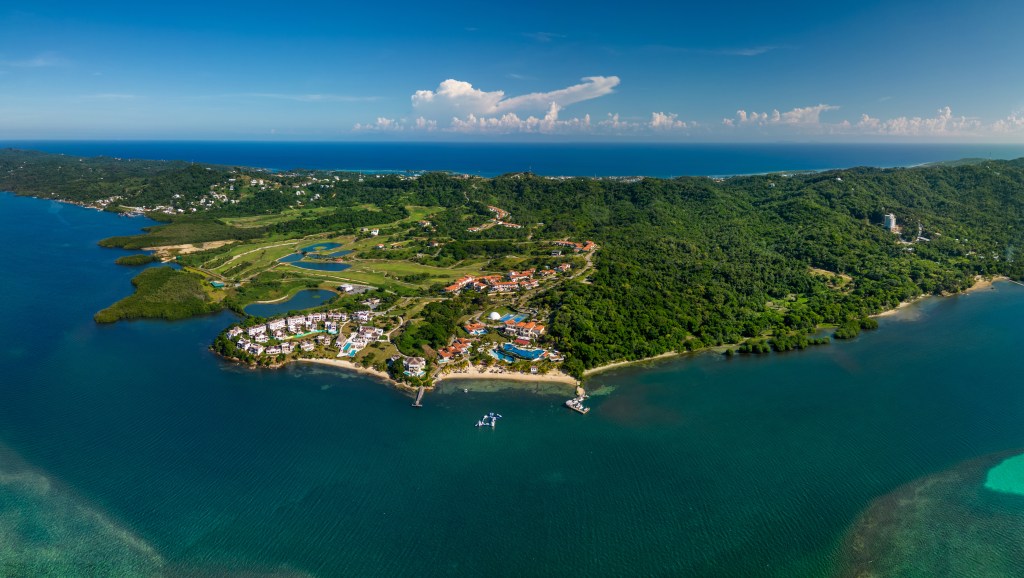
From Beta District the tour moved to Pristine Bay, Próspera’s luxury resort and residential development on Roatán’s northeastern coast, home to Las Verandas Hotel, a Pete Dye-designed golf course, a top tier Beach Club and a waterfront that has become the visual signature of the zone’s ambitions. The contrast between the institutional infrastructure of Beta and the built environment of Pristine Bay offered the Congressman a comprehensive picture of the zone’s dual identity — part governance platform for innovation, part world-class Caribbean destination.
The visit concluded with a boat tour of Roatán, giving Mills and his delegation a perspective on the sweep of the island’s coastline, the clarity of its waters, and the geographical reality of a Caribbean island whose location, infrastructure, and institutional framework are increasingly attracting the attention of investors, residents, and policymakers from around the world.
Meeting with Business Leadership
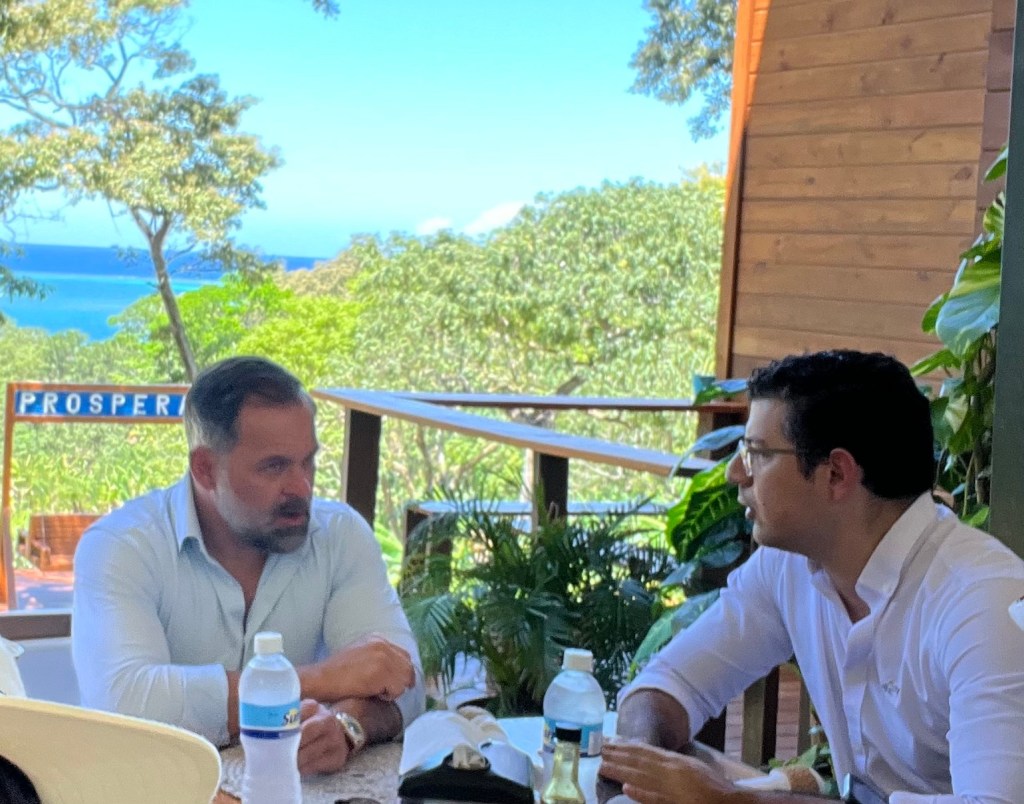
The visit also included a dedicated meeting between Congressman Mills and Erick Brimen, CEO of Honduras Próspera Inc. — the promoter and organizer of Próspera ZEDE and the man who conceived and built the project from the ground up. The Venezuelan-born entrepreneur secured land on Roatán, assembled a world-class investor base that includes some of Silicon Valley’s most prominent names, and designed the governance architecture that makes Próspera one of the most ambitious private city projects ever attempted anywhere in the world.
Brimen is among the most articulate and persistent advocates for the proposition that voluntary, rules-based governance and economic freedom can deliver prosperity where conventional government has fallen short. His conversation with Mills — a congressman whose committee assignments span intelligence, special operations, and Western Hemisphere foreign policy — covered Próspera’s operating philosophy, its business ecosystem, and the broader significance of the ZEDE model as a framework for investment-led development in Central America.
For a congressman increasingly focused on U.S. strategic interests in the region, the exchange with Brimen offered a direct window into how private governance innovation and American capital can work together to create the kind of economic opportunity that addresses the root conditions driving migration, instability, and diminished U.S. influence in the Caribbean Basin.
A Strategic Moment for U.S.-Honduras Engagement
Mills’s visit occurs as the bilateral relationship between Washington and Tegucigalpa enters a new chapter. President Nasry Asfura, who took office in January 2026, has signaled a sharp departure from his predecessor’s ideological orientation, emphasizing job creation, legal certainty for businesses, and the attraction of U.S. capital into strategic sectors. For a congressman with Mills’s committee assignments and foreign policy profile, Próspera represents precisely the kind of private-sector-led institutional innovation that aligns with U.S. engagement in Central America: investment-driven development, rule-of-law governance, and economic opportunity as an alternative to the conditions that drive migration northward.
For Próspera, the visit of a sitting U.S. congressman with seats on both the Armed Services and Foreign Affairs committees — engaging directly with both the zone’s founding CEO and its Technical Secretary, and experiencing its infrastructure firsthand — is a marker of the zone’s growing profile as a serious institutional actor in the broader conversation about governance, investment, and development in the Americas.

 Doing Business
Leave a comment